 As most people are aware logging provides us with the supplies we need like; paper, pencils, furniture, the structural frames of houses, agricultural land, etc. However, by logging we are destroying the world by wiping out these living trees and limiting our supply of oxygen which we need to survive. Furthermore, cutting down the forests limits the amount of carbon dioxide that trees can absorb which leads to more air pollution. Deforestation also affects the biodiversity of our forests and can endanger many animal and plant species. Large forest areas like the Boreal forests account for 1/3 of the world's supply of oxygen. If we destroy a part of these forests, there goes a large amount of air and many habitats! Not only is logging bad for our planet but, it was also voted the second most dangerous job in the world.
Logging Is Bad
As most people are aware logging provides us with the supplies we need like; paper, pencils, furniture, the structural frames of houses, agricultural land, etc. However, by logging we are destroying the world by wiping out these living trees and limiting our supply of oxygen which we need to survive. Furthermore, cutting down the forests limits the amount of carbon dioxide that trees can absorb which leads to more air pollution. Deforestation also affects the biodiversity of our forests and can endanger many animal and plant species. Large forest areas like the Boreal forests account for 1/3 of the world's supply of oxygen. If we destroy a part of these forests, there goes a large amount of air and many habitats! Not only is logging bad for our planet but, it was also voted the second most dangerous job in the world.
Oxygen and Carbon Dioxide
 Most people think that buring fossil fuels like oil and gas causes global warming. However, reasearch has proven that deforestation is one of the major causes. In fact, deforestation is actually the main reason behind the increase of greenhouse gases, leading to the effect global warming is having on the environment.
When trees breathe in carbon dioxide, they absorb and hold onto the carbon and then they slowly (through the process of photopysnthesis) release oxygen back into the air. If trees are cut down this allows excess carbon dioxide to remain in the air and scientists have proven that this extra carbon dioxide is one of the major causes of global warming. Researchers have proven that 20% of global warming and climate change is due to deforestation. Trees not only absord carbon but also absorb air pollution that manufacatoring plants release into the air. Having less trees also limits our ability to fight air pollution.
This picture explains that when we limit the amout of trees, we limit the amount of the absorbsion of carbon dioxide, thus making it difficult to reduce the effect of global warming. This is why we see this tree struggling to consume all the amount of carbon dioxide, beacause it is all alone with no assistance of other trees, due to the fact that they have all been cut down to support our needs (e.g. need for agricultural land, paper, buildng supplies, etc.)
Endangering Our Forest's Biodiversity
 Deforestation has many impacts on the environment. One of the most negative impacts is that species have lost and continue to lose their habitats due to deforestation. Seventy percent of the world's land animals and plants live in forests. The continued cutting down of our forests will destroy their food and their homes. Without these main essentials, these animals cannot survive.
 Trees also play a very impoartant role in ecosystems and add to the biodiversity of nature. The constant cutting of trees for modern use is harmful to the environment and the balance of nature.
Another main impact of deforestation is its affect on the Earth's water cycle. Trees are responsible for soaking up water from the soil and releasing moisture back into the atmosphere. If trees are cut down, there is no canopy of tree branches and leaves to block the sun's rays. In addition, there are no roots to soak up and retain this moisture. As a result, the sun dries up the soil and this affects the growth of other vegetation and animals. Deforestation therefore disturbs the water cycle and makes the environment drier.
Regrowing A Forest

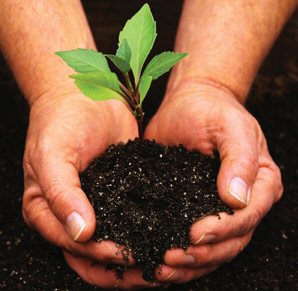
Regrowing a forest is not as simple as it sounds. It takes a very long time for planted trees to grow and young trees have many hazards such as; fungi growth, animals that eat young seedlings, temperature changes, too little or too much sun, not enough water, etc. Young trees also compete with grasses and bushes for available nutrients and water in the soil. Due to the above, regrowing forests that have been cut down is very challenging and given how long a newly planted forest take to grow, we need to maintain existing forests and minimize the amount of trees we log each year.
Save The Forests!

 As most people would think the simplist, quickest, and easiest way to save our forests would probably be to stop deforestation and logging altogether. However, we still need logging because it provides people with jobs and a tree's wood is still necessary for certain things in our day-to-day lives. Even though however, these things are important, it is vital that we save as much forest areas as we possibly can. We also need to begin to plant many new trees to ensure that we keep our world safe for future generations to come. Replanting, managing existing forests, creating better farming methods, and developing alternatives to wood will help reduce the number of trees that we cut down.
  As we reduce deforestation, we help many other environmental issues as well, such as reducing global warming. This will take all of us. Scientists to help develop alternate fuels and alternatives to wood products. Even other people like you and me can help. You can start by planting a tree or two in your backyard. Every little bit helps! Hug a tree today!
Subscribe to:
Posts (Atom)

